
The Evolution of Gaming From Console to Cloud

The Evolution of Gaming: From Console to Cloud
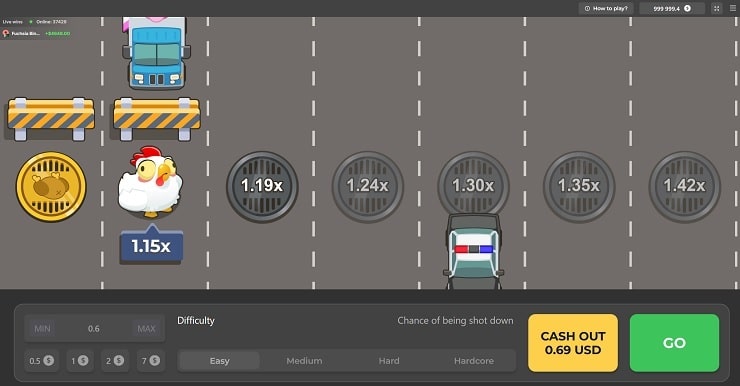
The gaming industry has experienced a seismic shift over the past few decades. From the joystick-based arcade machines of the 1980s to the sleek and immersive cloud gaming platforms of today, the way we play and interact with games has changed dramatically. One of the most intriguing aspects of this evolution is how technology, culture, and player preferences have intertwined to shape the industry. In this discussion, we’ll explore significant milestones in gaming history and look at where the future may lead. A great example of innovation in gaming can be found in titles like game Chicken Road, which have embraced new technology and gameplay mechanics.
The Early Days: Arcade and Consoles
In the early days of gaming, arcades were the primary venue for gameplay. Games like “Pac-Man,” “Space Invaders,” and “Donkey Kong” captivated audiences and laid the groundwork for the gaming culture we know today. Players gathered in arcades, competing for high scores and sharing tips on how to beat levels. This communal experience was vital in creating a social aspect to gaming.
With the advent of home consoles, such as the Atari 2600 in the late 1970s and the Nintendo Entertainment System (NES) in the mid-1980s, gaming began to transition into the living room. Players no longer had to go to arcades; they could enjoy their favorite games in the comfort of their home. This shift was also significant for the development of narrative and character in games, paving the way for franchises like Super Mario and The Legend of Zelda.
The Rise of 3D and Online Gaming
The 1990s brought significant technological advancements, introducing 3D graphics and online multiplayer capabilities. Titles such as “Doom” and “Quake” revolutionized first-person shooters, allowing players to experience immersive environments and engage in competitive play against others around the world. This era saw the birth of online gaming communities, as players connected through the early Internet.

Consoles like the Sony PlayStation and Sega Dreamcast further pushed the envelope, offering better graphics and innovative gameplay experiences. The introduction of CD-ROMs allowed for larger games with more intricate stories and graphics, leading to a rich narrative-driven renaissance in gaming.
The Advent of Mobile Gaming
As technology advanced, so did the platforms on which games could be played. The introduction of smartphones and the App Store in the late 2000s heralded a new era of mobile gaming. Titles such as “Angry Birds” and “Candy Crush Saga” captured audiences around the globe, proving that gaming could be accessible to everyone, not just hardcore players. Mobile gaming brought a casual approach to the gaming experience, allowing individuals to engage in short bursts of gameplay during their daily routines.
Developers quickly adapted, creating games that were easy to learn yet challenging to master. This shift in gaming dynamics expanded the player base, bringing in audiences that may have previously dismissed gaming as a hobby. The mobile gaming phenomenon showcased that games could fit into various lifestyles, leading to more diverse media consumption.
Cloud Gaming: The Future of Play
As internet speeds improved and cloud technology became more mainstream, the industry began to pivot towards cloud gaming. Services like Google Stadia, Nvidia GeForce Now, and Xbox Cloud Gaming have started to redefine how games are delivered and played. By storing games on remote servers, players can access their favorite titles on a variety of devices without needing powerful hardware.
This move towards cloud gaming can be seen as a direct response to the demand for convenience and flexibility in gaming. Players can jump into their games from phones, tablets, laptops, or smart TVs, provided they have a stable internet connection. Moreover, cloud gaming eliminates the need for hefty downloads and installations, making it easier than ever for players to try new games.
Challenges and Opportunities
While the future looks bright for gaming, there are certainly challenges to overcome. Issues such as internet infrastructure, latency, and data security are paramount concerns for players and developers alike. Furthermore, the physical ownership of games is changing; as players transition to digital libraries and cloud access, concerns about the longevity and preservation of games arise.
Additionally, the rise of subscription models and microtransactions has sparked conversations about monetization and fair play. Developers are exploring new ways to fund their projects while keeping players engaged. Balancing financial viability with the integrity of gameplay will be an ongoing challenge for the industry.
Cultural Impact and Forward Thinking
The gaming landscape is not only defined by technology; it’s also a reflection of the societal changes around us. The gaming community has been at the forefront of discussions about representation, inclusivity, and mental health. Titles that feature diverse characters and narratives have gained prominence, encouraging discussions regarding image and identity in gaming.
As the boundaries of gaming continue to expand, so will the potential for new experiences. With the advent of virtual reality, augmented reality, and AI, players may soon find themselves in environments that are even more immersive and engaging than ever before. Game developers are encouraged to push the envelope, testing the limits of our imaginations and the technologies at our fingertips.
Conclusion: Embracing Change
The evolution of gaming is a testament to human creativity, technological progress, and the innate desire for connection. As we look toward the future, we should embrace the changes that lie ahead and be open to the new experiences that will inevitably shape the gaming world. Whether through traditional consoles, mobile applications, or cloud services, the core of gaming remains the same: a shared experience that brings people together through the magic of storytelling and interactive entertainment. As we evolve with technology, let us also evolve as a community, welcoming newcomers and championing diversity and creativity in this ever-changing landscape.